UFC Style Matchup Analysis: How Stance and Fighting Style Affect Outcomes
 Available in US
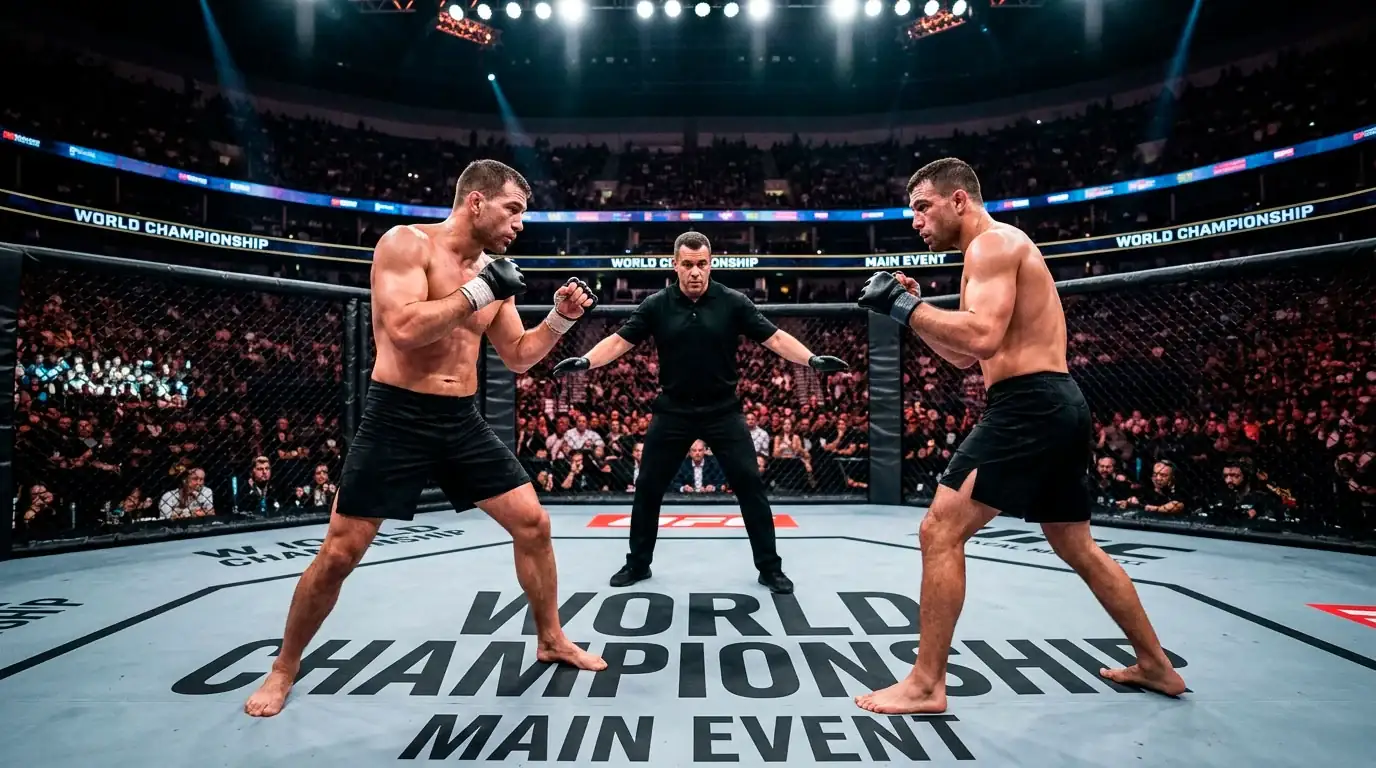
The fight I reference most in my analysis workshops happened in 2019 — a bout where a rangy southpaw striker was a 5/2 underdog against an orthodox wrestler. Every surface-level indicator favoured the wrestler: better record, higher ranking, more UFC experience. But the stylistic matchup was a nightmare for the grappler. The southpaw’s lead hand sat directly over the wrestler’s preferred takedown angle, the distance management kept the wrestler at kicking range, and every time the grappler closed distance he ate a sharp counter. The southpaw won by second-round TKO. The odds had reflected the fighters’ credentials. They hadn’t reflected the matchup.
Styles make fights — it’s the oldest cliche in combat sports, and it’s a cliche because it’s true. Two fighters’ individual skill sets matter far less than how those skill sets interact. This guide examines the two most consequential stylistic variables in UFC betting analysis: stance matchups and archetype clashes.
Southpaw vs Orthodox: What the Data Shows
Bouts between southpaw and orthodox fighters finish inside the distance 18% more frequently than fights between same-stance opponents. That’s not a marginal difference — it’s a statistically significant gap that affects every market from method of victory to over/under rounds. The cross-stance dynamic creates openings that simply don’t exist when both fighters share the same lead hand, and those openings produce finishes at a rate the market often underprices.
The mechanical reason is angle. When a southpaw and an orthodox fighter face each other, their lead feet compete for the same space — the “open stance” configuration. This positioning exposes the centre line of both fighters, creating cleaner paths for the rear straight hand (the power hand for both). In same-stance fights, the lead foot battle is less contentious and both fighters can maintain their preferred range more easily, leading to more measured exchanges and fewer dramatic finishes.
For betting purposes, the 18% increase in finish rate has specific implications. Over/under markets on cross-stance fights should be evaluated with a lower threshold — “under” becomes more attractive than in same-stance bouts. Method of victory bets on KO/TKO gain probability because the open-stance dynamic favours power-hand connections. And moneyline prices may not adequately reflect the increased volatility, which tends to favour the underdog by giving them more opportunities for fight-ending moments.
The southpaw advantage itself is a debated topic, but the data leans toward a small edge for the southpaw fighter in cross-stance matchups. Southpaws train regularly against orthodox opponents (because most fighters are orthodox), while orthodox fighters encounter southpaws far less frequently. That asymmetry in training exposure means the southpaw is typically more comfortable in the cross-stance dynamic, and comfort in unfamiliar positions translates into fewer technical errors and better distance management.
I weight stance matchups as a secondary factor — not enough to override a clear skill gap, but enough to shift my probability estimate by 3-5 percentage points in fights where other factors are close. In a bout priced near even money, a 3-5 point adjustment is the difference between a bet and a pass.
Wrestler vs Striker and Other Archetype Clashes
The wrestler-versus-striker matchup is the foundational archetype clash in MMA, and it remains the most consequential for betting analysis despite the sport’s evolution toward well-rounded fighters. The dynamic is simple: the wrestler wants to take the fight to the ground, where their skill advantage is greatest. The striker wants to keep the fight standing, where their striking technique dominates. The outcome often hinges on a single variable — the striker’s takedown defence percentage.
Submission rates in the UFC sit at approximately 20%, and the rate has been declining over time as defensive grappling has improved across the roster. But in wrestler-versus-striker matchups specifically, the submission probability is higher than the overall average because the wrestler’s ability to control positions on the ground creates more submission opportunities than a bout between two strikers or two grapplers would produce. If the striker has poor ground defence, method of victory bets on submission carry more weight than the divisional baseline suggests.
The grappler-versus-grappler matchup produces a paradox that newer analysts often miss: two elite wrestlers frequently produce standing fights. When both fighters have credible takedown threats, neither is willing to initiate grappling exchanges that could leave them in a disadvantaged position. The result is a cautious striking match between two fighters who aren’t elite strikers, which tends toward decisions and lower-volume exchanges. Over/under markets on grappler-versus-grappler bouts should lean toward “over” more often than the fighters’ individual finishing rates might suggest.
Striker-versus-striker matchups are the most volatile and the hardest to predict for method and timing. When both fighters are comfortable on the feet and neither has a strong desire to grapple, the fight becomes a test of whose striking style is more effective in the specific range and rhythm that develops. Counter-strikers against volume strikers tend to produce either dramatic knockout finishes (when the counter-striker times a shot) or clear decisions (when the volume striker wins rounds by activity). The binary nature of that outcome distribution makes these fights particularly interesting for method of victory and round betting markets.
Pressure fighters versus counter-fighters represent another archetype clash worth tracking. Pressure fighters advance constantly, cutting off the cage and forcing exchanges. Counter-fighters retreat, create angles, and time shots as the aggressor commits. The data shows that pressure fighters tend to win rounds on activity and cage control, but counter-fighters produce a disproportionate share of highlight-reel knockouts. If the counter-fighter has genuine one-punch power, the method of victory market may undervalue the KO/TKO probability despite the pressure fighter being the overall moneyline favourite.
Applying Matchup Analysis to Your Bets
SponsorUnited’s analysis described UFC’s sponsorship model as anchored in global TV visibility at every event — and that visibility has attracted a betting market sophisticated enough that surface-level analysis rarely produces an edge. Matchup analysis is how you go deeper than the surface.
The practical application follows a hierarchy. First, identify each fighter’s primary archetype: wrestler, striker, grappler, or hybrid. Second, assess the specific interaction between those archetypes using the patterns described above. Third, check the statistical data — takedown accuracy versus takedown defence, striking volume versus striking defence, finish rates in similar historical matchups — to quantify the stylistic dynamic. Fourth, compare your resulting probability estimate to the bookmaker’s implied probability, and bet only where a meaningful gap exists.
This isn’t a checklist you complete in five minutes. A thorough matchup analysis for a single bout takes me thirty to forty-five minutes, and that investment is what produces the calibrated probability estimates that identify value. Bettors who skip the matchup layer and rely on records, rankings, and gut feelings are competing against a market that has this information priced in — and competing against the market without an analytical edge is a guaranteed path to the costly mistakes that disciplined strategy avoids.
One final note: styles evolve. A fighter who was a pure wrestler three years ago may now be a competent striker who only grapples strategically. A once-reckless brawler may have developed patience and counter-striking under a new coach. Always weight recent performance more heavily than career-long trends, because the fighter who shows up on Saturday night is the current version, not the historical average.
Do southpaw fighters have a statistical advantage in the UFC?
The data suggests a small but measurable edge for southpaw fighters in cross-stance matchups. Bouts between southpaw and orthodox fighters finish inside the distance 18% more frequently than same-stance bouts, and southpaws tend to be more comfortable in the cross-stance dynamic because they train against orthodox opponents more regularly than orthodox fighters train against southpaws. The advantage is not large enough to override significant skill gaps, but it can shift probability estimates by several percentage points in competitive fights.
Which style matchups produce the most finishes?
Cross-stance matchups (southpaw vs orthodox) produce the highest overall finish rate relative to same-stance fights, with an 18% increase in stoppages. Among archetype matchups, wrestler-versus-striker bouts tend to produce finishes at a higher rate than grappler-versus-grappler or striker-versus-striker matchups, because the grappling exchanges create both ground-and-pound and submission opportunities. Striker-versus-striker fights are the most unpredictable, capable of producing either spectacular knockouts or measured decisions depending on the specific styles involved.
Written by the editors at how Does ufc Betting Work.