Responsible Gambling and UFC Betting in the UK: Tools, Limits and Support
 Available in US
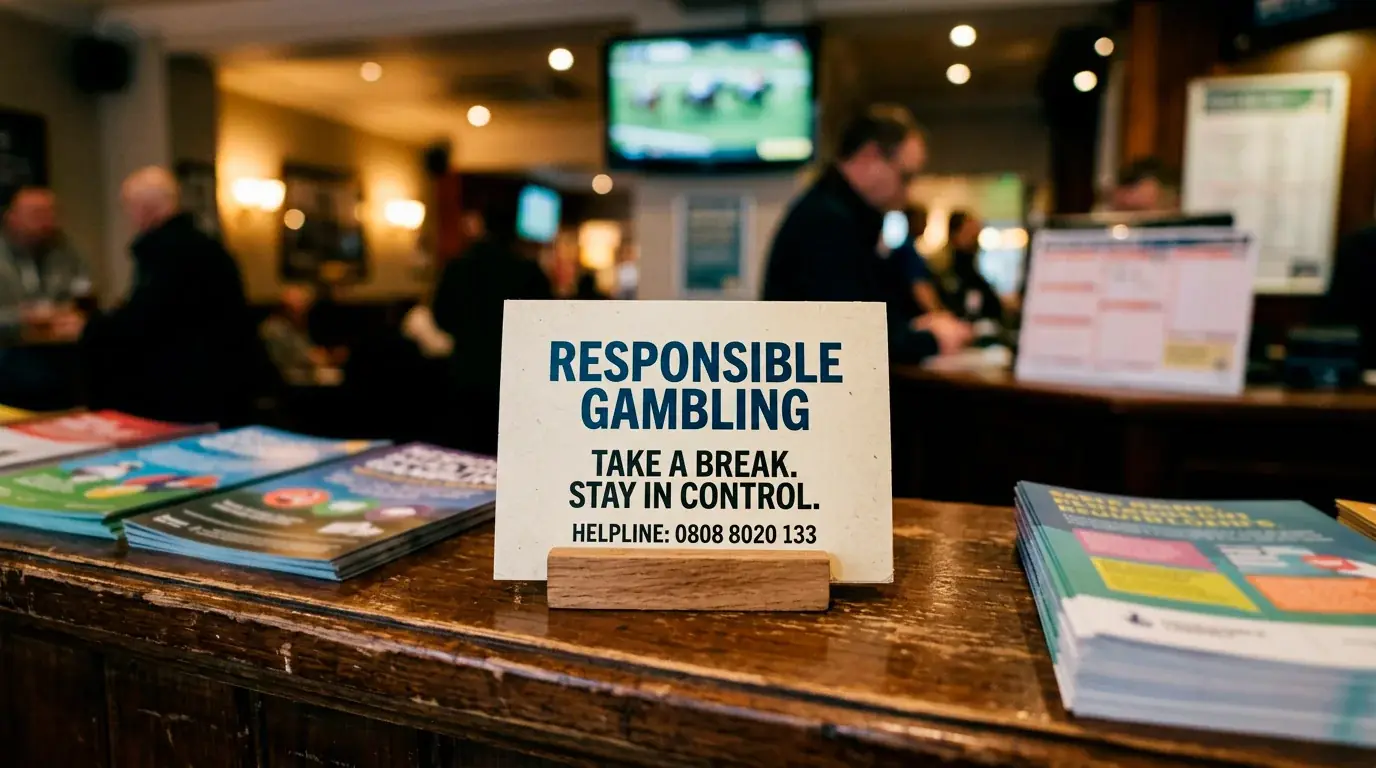
I’ve watched talented analysts with genuine edges in UFC betting lose everything — not because their analysis failed, but because their relationship with gambling shifted from strategic to compulsive. The line between the two is thinner than most bettors want to admit, and it can move in either direction depending on your circumstances, your mental health, and the structures you have in place to keep your betting within boundaries you’ve set for yourself. This isn’t a topic I include reluctantly or out of obligation. It’s here because it matters, and because the UK’s responsible gambling infrastructure is one of the most sophisticated in the world — but it only works if you know it exists and choose to use it.
Forty-eight percent of UK adults participated in some form of gambling in the most recent survey period. That’s nearly half the adult population. Within that group, the vast majority gamble without problems. But a meaningful minority experience harm, and the tools designed to prevent and address that harm are built into every UKGC-licensed bookmaker you’ll use for UFC betting.
Responsible Gambling Tools Available in the UK
Every UKGC-licensed operator is legally required to offer a suite of responsible gambling tools. These aren’t optional extras or marketing gestures — they’re licence conditions, and operators who fail to implement them properly face regulatory consequences.
Deposit limits allow you to cap the total amount you can deposit into your betting account over a daily, weekly, or monthly period. Once you hit the limit, the system blocks further deposits until the period resets. You can lower a deposit limit at any time and it takes effect immediately. Raising a limit requires a cooling-off period — typically 24 to 72 hours — to prevent impulsive increases during a losing streak. I recommend setting deposit limits proactively, even if you don’t think you need them. They function as a structural guardrail that removes the decision of “should I deposit more?” from the heat of the moment.
Loss limits work similarly but cap the amount you can lose rather than deposit. If your betting activity results in losses exceeding your chosen threshold, the account restricts further wagering until the period resets. Session time reminders alert you after a set period of continuous activity — typically one hour — prompting you to consider whether you want to continue. These nudges are easy to dismiss, but their value lies in breaking the trance-like state that sustained gambling can produce, particularly during late-night UFC events when fatigue compounds impulsivity.
Reality checks provide periodic pop-up notifications showing your net position — how much you’ve deposited, how much you’ve withdrawn, and your overall profit or loss for a defined period. The information is factual, not judgemental, and it’s remarkably effective at correcting the selective memory that most bettors develop. People remember their wins more vividly than their losses, and reality checks provide an objective counterpoint to that bias.
The participation data is clear: 15% of men and 4% of women in the UK bet on sports. Those numbers represent a substantial population, and the responsible gambling tools exist because a subset of that population will, at some point, need support in maintaining a healthy relationship with betting. Using the tools isn’t a sign of weakness — it’s a sign of the same discipline that drives sound bankroll management and value-based decision-making.
Self-Exclusion and GamStop
Self-exclusion is the most definitive tool available. It blocks your access to a gambling operator for a minimum period — usually six months, one year, or five years — during which you cannot bet, deposit, or access your account. Individual operators offer their own self-exclusion processes, but the UK’s national scheme, GamStop, provides a single registration that excludes you from all UKGC-licensed online gambling operators simultaneously.
GamStop registration is free, online, and takes effect within 24 hours. Once active, every UKGC-licensed bookmaker is required to block your account. You won’t receive marketing communications, and you won’t be able to create new accounts at any participating operator. The minimum exclusion period is six months, and you can choose longer periods. At the end of your chosen period, reactivation is not automatic — you must actively request it, which provides an additional barrier against impulsive return.
Self-exclusion is not a failure state. I’ve spoken with bettors who used it as a strategic pause — a period to reassess their approach, rebuild their mental framework, and return to betting (if they chose to) with healthier habits. Others used it as a permanent exit from gambling. Both outcomes are valid. The tool exists to give you control at the exact moment when control feels hardest to maintain, and the fact that it’s available at no cost to every UK adult is one of the strongest features of the regulated gambling system.
Recognising Problem Gambling Behaviour
Mark Shapiro, TKO’s president, described 2025 as a transformational year for UFC’s global partnerships, and that growth in the sport’s commercial profile means more betting opportunities, more marketing exposure, and more touchpoints between fans and gambling operators. In that environment, being honest with yourself about your betting behaviour is more important than ever.
Problem gambling rarely announces itself dramatically. It develops through a series of small escalations that individually seem manageable but collectively represent a shift from recreational to harmful behaviour. Chasing losses — increasing stakes to recover previous losses rather than accepting them as the cost of doing business — is one of the earliest and most reliable warning signs. If you find yourself depositing again after a losing UFC card specifically to win back what you lost, rather than because your analysis identified new value, that’s a signal to pay attention to.
Borrowing money to bet, lying about betting activity to friends or family, and betting more than you can afford to lose are all recognised indicators. So are less obvious patterns: spending more time analysing fights than engaging with other activities you used to enjoy, feeling anxious or irritable when you’re not able to bet, and continuing to bet despite persistent negative results because stopping feels impossible.
The UK provides multiple support avenues. The National Gambling Helpline operates a free, confidential service for anyone affected by gambling harm. GamCare offers online counselling, group support, and self-help resources. BeGambleAware provides information and referral services. These organisations exist specifically to help people who are experiencing gambling-related difficulties, and reaching out to them is a strength, not an admission of failure.
My personal framework is simple: if I ever find myself making a betting decision that I wouldn’t be comfortable explaining to someone I respect, I stop and examine what’s driving the decision. If the answer is analysis and discipline, I proceed. If the answer is emotion, frustration, or the desire to recover a loss, I close the laptop and do something else. That test isn’t foolproof, but it catches the majority of impulsive decisions before they become problems that the UK’s regulatory framework is designed to address.
Betting Well Means Betting Safely
Responsible gambling and profitable gambling aren’t opposing concepts — they’re the same concept expressed in different language. Deposit limits enforce bankroll discipline. Session reminders prevent fatigue-driven decisions. Self-exclusion provides an exit when the cost of continuing exceeds the value. Every tool in the responsible gambling toolkit has a direct parallel in sound betting strategy, and the bettors who use both sets of tools — the analytical and the protective — are the ones who sustain their involvement in UFC betting over years rather than months. Set your limits, know where the support is, and treat the responsible gambling infrastructure as what it is: the foundation that makes everything else possible.
What is GamStop and how do I register for self-exclusion?
GamStop is the UK’s national self-exclusion scheme for online gambling. Registration is free and completed online at the GamStop website. You choose an exclusion period of six months, one year, or five years. Once active — typically within 24 hours — all UKGC-licensed online gambling operators are required to close your accounts and block new registrations. You will not receive marketing communications during the exclusion period. At the end of your chosen period, reactivation requires you to actively request it; it does not happen automatically.
Are UK bookmakers required to offer deposit limits on UFC betting accounts?
Yes. All UKGC-licensed operators are required to offer deposit limit tools as part of their licence conditions. You can set daily, weekly, or monthly deposit caps through your account settings. Lowering a limit takes effect immediately; raising one requires a mandatory cooling-off period, typically 24 to 72 hours. These tools apply to your entire betting account, including UFC and all other sports markets available on the platform.
Published by the how Does ufc Betting Work team.